

By William Ortiz
I’ve called McAllen home for most of my life. In its busy streets, its simple homes, its crowded camellones, I’ve seen both what lifts us up — and what still holds us back. This piece isn’t about pointing fingers. It’s about speaking up, first as someone who loves this place, then as a voice for those who feel they’re often not heard.
Our Schools: Heart of the Community, Under Strain
McAllen ISD (MISD) is full of dedicated teachers, driven students, and families working overtime. But it’s also true that many students face real obstacles: poverty, unstable households, or lack of basic resources. I’ve visited campuses where absenteeism and motivation are recurring concerns. Tears from overwhelmed students; frustration from staff stretched thin.
Recent reports show that nearly 70% of students in McAllen ISD are economically disadvantaged. That means many are trying to learn while worrying over utility bills or missing meals. Programs meant to help special education students or those who need emotional support are under pressure, especially when the classroom is already too crowded or unstable. These are stories I hear when I walk school halls. We can’t ask more of our educators without matching support from leaders and more stable funding.
Health and Well-Being: Structural Barriers Need Solutions
Our city’s public health narrative has long spotlighted obesity, diabetes, and high blood pressure. In particular, comunidades—colonia neighborhoods—are still underinvested in: fewer clinics, fewer providers, less access to consistent care. Many of our neighbors are uninsured or only gain coverage when emergencies force them to seek help. Prevention, follow-up, and early intervention often fall by the wayside.
Medical staff and advocates tell me that the path forward needs innovation. South Texas College’s nursing apprenticeship programs show what’s possible when we tweak outdated systems. School-based clinics and support networks also help bridge some gaps—but they shouldn’t have to fill all the voids.
Among the People: What’s Missing Is Space to Be Heard
I walk through downtown, I eat in neighborhood taquerías, I stand in line at clinics, and I talk with folks whose stories echo many others in McAllen. There’s fierce pride in our culture, our food, our family ties. But there’s also fatigue—of being ignored, treated as statistics, or overlooked in decision-making.
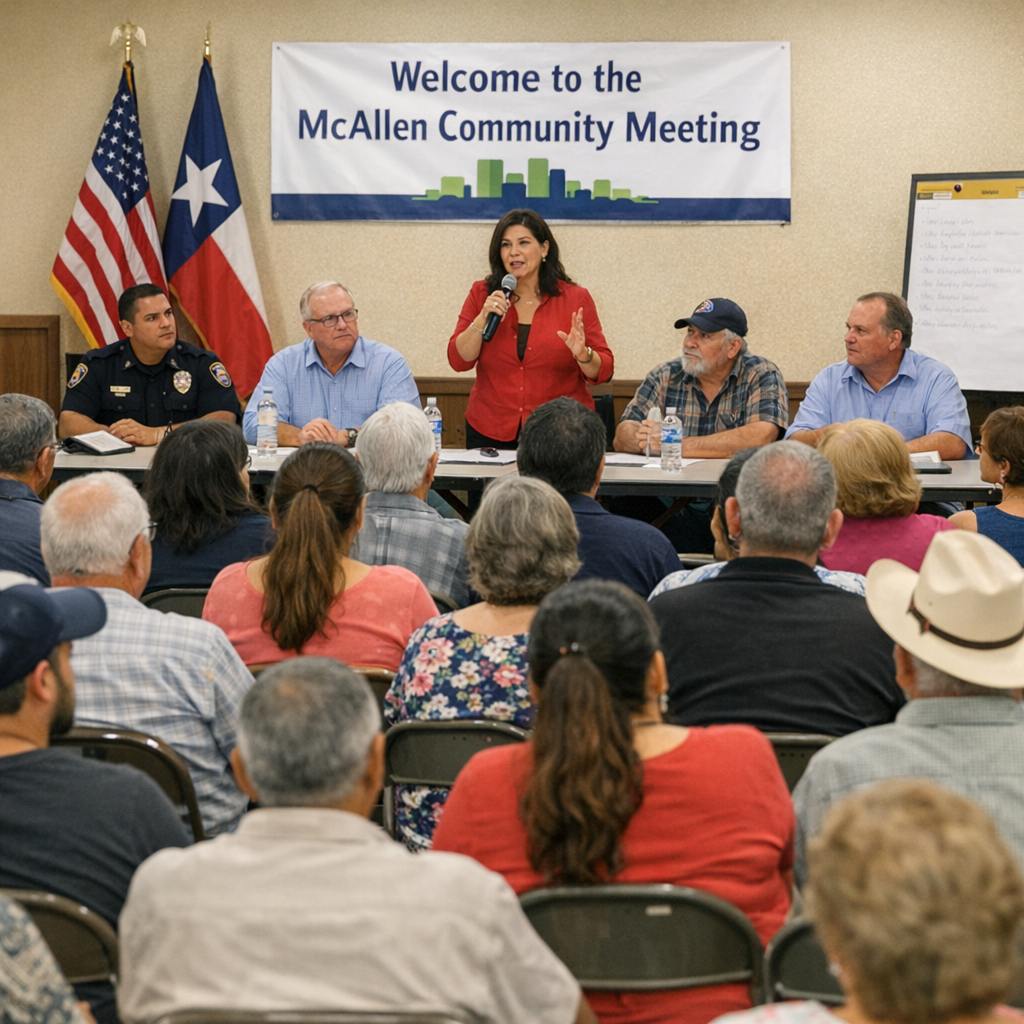
Many of us don’t trust that local decisions—school district budgeting, health initiatives, economic investments—always include the voices of those who live busiest, those who feel forgotten. We need forums where we’re not an audience; we need roles where we’re true participants.
What We Can Do — Together
- Elevate parent and youth councils in schools—not just advisory, but decision-shaping.
- Push for expanding access to affordable healthcare, especially in colonias and eastern McAllen.
- Support mental health as much as physical health: schools, clinics, nonprofits collaborating to catch early signs.
- Demand transparency in where tax dollars go—property taxes, school funding, public health budgets.
- Join spaces like McAllen Citizens League or community gatherings where leaders are listening.
McAllen isn’t perfect. But it’s ours. If our collective hope means anything, it’s that we can keep growing into a city that not only survives—but thrives, because every voice matters.