

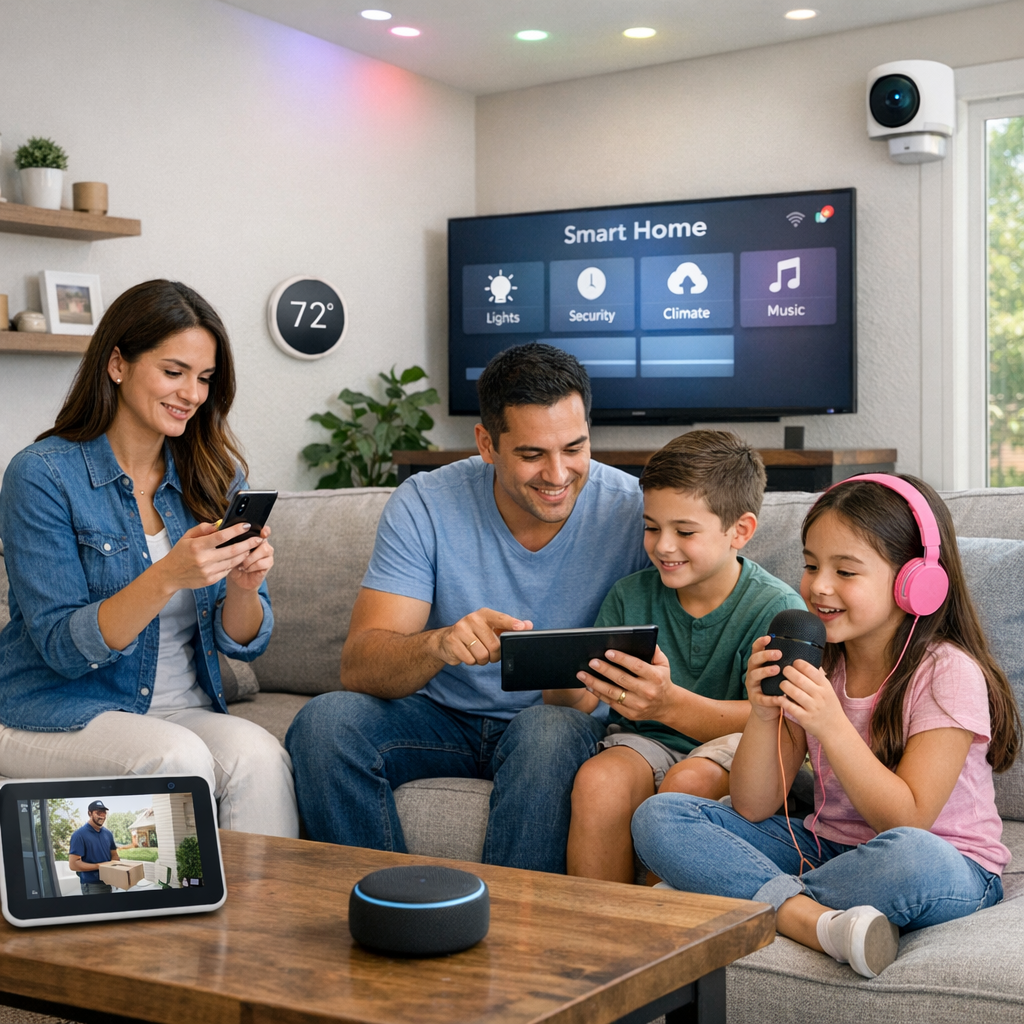
In McAllen and throughout the Rio Grande Valley, technology isn’t just for show—it’s quietly reshaping homes, work, and how we spend time. From smart lights to AI helpers, many devices promise convenience. But before you embrace every gadget, it helps to separate what improves daily life from what just adds clutter.
What Smart Homes Are Becoming—Nationwide Trends
Nearly half of U.S. households already use one or more smart-home devices monthly; security gadgets like video doorbells and outdoor cameras often lead adoption, followed by utility tools such as smart thermostats and lighting. Automation—like robot vacuums or assistant routines—is growing quickly to take chores off plates.
At the same time, devices that elevate daily comfort—think sensor-driven lighting, voice-enabled assistants that adjust based on who’s home, and kitchen tools that save time—are becoming mainstream. Buyers are looking for value, not just novelty.
What These Devices Really Do Around Town
Energy and Cost Savings
South Texas heat means high electric bills. Smart thermostats, shading systems, and AI-curated cooling schedules can help. Homes that use these can reduce energy waste by ensuring systems run only when needed. Over time, savings often make up for upfront investment.
Security and Peace of Mind
Smart doorbells and security cameras offer more ways to stay connected to what’s happening outside your door. For many in McAllen, these tools help monitor corner stores, alleyways, or mobile homes, especially where crime or property concerns feel more immediate.
Convenience vs. Overload
Whether a robot mop, voice assistant, or hands-free lighting—is truly useful depends on the person. Some tools help eliminate small hassles; others require setup, maintenance, and ongoing costs. A smart device is only helpful if it works reliably and doesn’t end up adding more chores than it removes.
Things to Watch Out For
Privacy & Data Security: Devices that have cameras or record audio can collect a lot of personal data. Before buying, check how a device stores and shares information. Local legislation is still catching up on regulation in many areas.
Upfront versus Long-Term Costs: Smart gadgets often come with higher purchase prices, replacement parts, and sometimes subscription fees. An energy-saving tool may take months or even years to pay off, depending on usage and electricity rates.
Compatibility & Ecosystems: Using devices from different brands can complicate setup. Standardization efforts (such as Matter) make it easier, but users may still need reliable Wi-Fi, which can be a challenge in some McAllen neighborhoods.
That Balance Locally: What McAllen Residents Should Ask Before Buying
- “Will this device reduce a recurring cost or truly free up time?” If it just looks cool but serves little purpose, you may be better off saving your money.
- “Does it do its job without needing constant intervention?” Tools need to be set-and-forget as much as possible.
- “How will this impact my family’s privacy?” Especially with shared homes, devices that listen or watch may need agreement among everyone.
- “Do I have the infrastructure support—Wi-Fi strength, power access, space—for this gadget to work well?”
Tech is redefining daily life in McAllen. Smart doesn’t always mean better—but for many households, thoughtfully chosen devices bring comfort, safety, and savings. The goal
isn’t to fill every room with sensors; it’s to let technology disappear when you need it to—and be there when you don’t want to lift a finger.